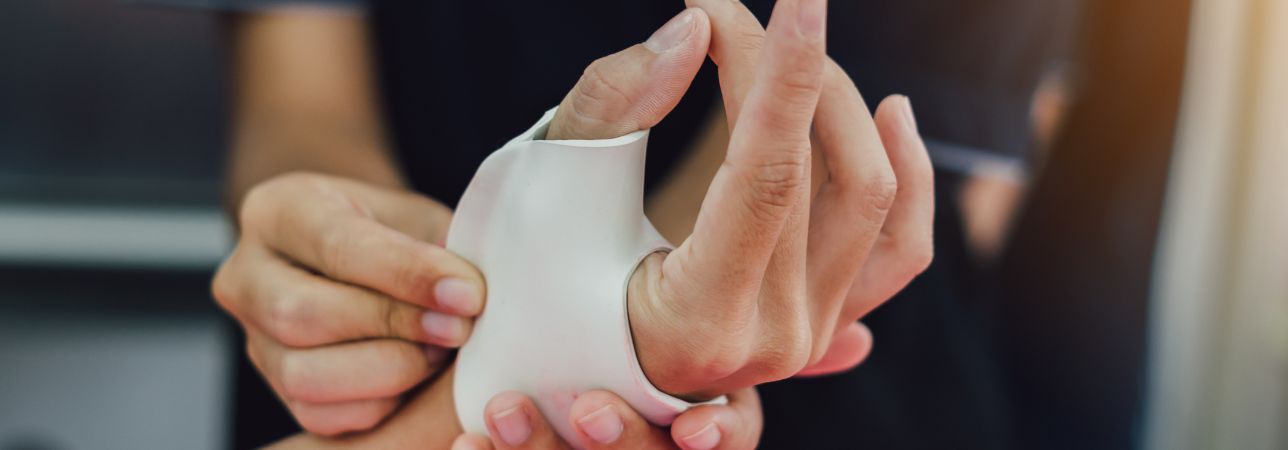
Multidisciplinary consultations bring together a team of experts to precisely assess patients’ needs and design customised assistive devices. This comprehensive approach promotes faster rehabilitation and strengthens confidence in daily life.
The team includes, among others, an orthopaedic shoemaker, an orthopaedic technician, a rehabilitation physician, and either a physiotherapist or an occupational therapist depending on the case. Together, they develop a personalised plan to optimise autonomy and recovery.
The device is then manufactured, tested with the patient, and adjusted as part of a personalised multidisciplinary follow-up. Over time, further adaptations may be required to fine-tune settings and ensure lasting effectiveness.
Orthotic devices are commonly indicated in the following cases:
Central neurological disorders (such as multiple sclerosis and brain tumors)
Spinal cord injuries
After-effects of stroke
Parkinson’s disease
Musculoskeletal disorders
After-effects of surgical procedures or trauma
There are many solutions, including:
Ankle-foot orthoses (from calf to ankle or from leg to ankle)
Wheelchair adaptations
Braces for postural support
Splints designed to reposition the wrists
More advanced devices are also used, such as robotic or semi-robotic orthoses incorporating functional electrical stimulation to compensate for reduced movement.
Patients may be referred by their general practitioner, a rehabilitation physician, or directly by hospital departments in rheumatology, traumatology, or neurology.
These consultations are available to patients staying for rehabilitation at Clinique Valmont, as well as to outpatients, either at the clinic itself or at the Valmont Centre for Physical and Cognitive Therapies located in Montreux.